Thinking about buying a rental property in Gwinnett County? You are not alone. With a large population, a broad job base, and steady demand for different housing types, Gwinnett can be appealing for small investors. At the same time, this is a market where careful numbers, smart location choices, and solid management matter. This guide will help you understand what to look for, what to budget for, and how to approach a rental purchase with more confidence. Let’s dive in.
Why Gwinnett County Draws Rental Investors
Gwinnett County is Georgia’s second-most populous county, with 1,003,869 residents in 2024. The county also has 351,137 housing units and about 327,043 households, which points to a large and active housing market.
Even though owner-occupied housing is the majority at 66.7%, that still leaves a meaningful renter base. For you as an investor, that means rental demand is very real, but success still depends on buying the right property at the right price.
The county’s housing and income numbers also show why this is not always a simple cash-flow market. Recent Census data show a median gross rent of $1,810, while median monthly owner cost with a mortgage is $1,946. In plain terms, thin margins are possible if you overpay, underestimate repairs, or ignore vacancy and management costs.
What Property Types Make Sense
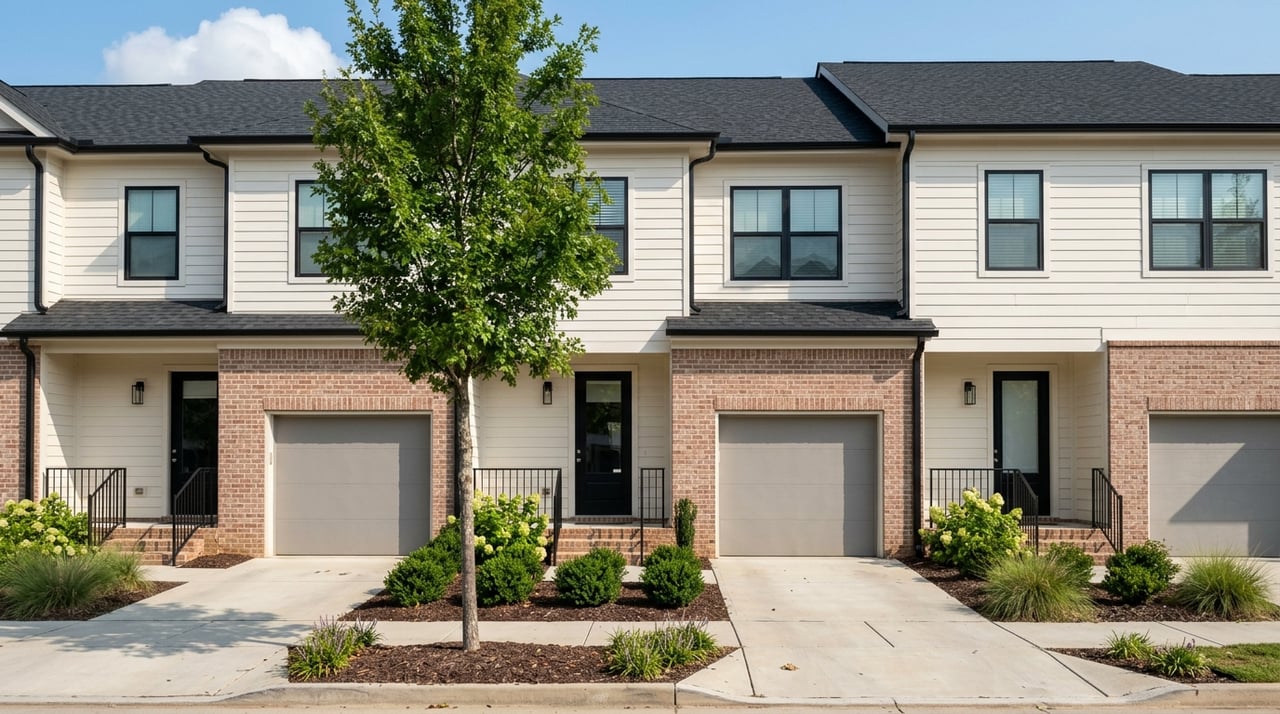
Gwinnett is still largely a detached-housing market. County housing studies show roughly 69% to more than 71% of units are single-family detached, with townhomes making up about 5% and multifamily units about 21%.
For many small investors, that makes single-family homes the most familiar and practical entry point. Townhomes can also make sense in areas with access to jobs, services, and transit, while condos or smaller multifamily properties may work if HOA fees and rental income still support the numbers.
Another important detail is age of inventory. County planning documents say 61% of all housing units were built before 2000. That means you should expect many properties to need stronger capital reserves for items like roofs, HVAC systems, plumbing, flooring, and cosmetic updates.
Where Rental Demand Is Strongest
Not every part of Gwinnett works the same way for investors. County planning efforts show that future growth and redevelopment are being focused in specific corridors and activity areas, rather than evenly across the county.
That matters because tenant demand often follows access to jobs, transportation, daily services, and established residential areas. Gwinnett’s economic development materials also highlight access to major interstate highways, international airports, and ports, which support the county’s appeal for residents who commute or work across the metro area.
You may want to pay extra attention to areas near major employment centers, college activity, and transit-connected nodes. Ride Gwinnett offers local bus, microtransit, and paratransit service, and the county’s transit plan says shared ride service is expected to reach 100% of Gwinnett by 2033.
The transit plan also names key destinations and connections such as Mall of Georgia, Sugarloaf Mills, Stone Mountain, Snellville, Lawrenceville, Doraville MARTA, Indian Creek MARTA, Northside Hospital Gwinnett, Gwinnett Technical College, Gas South District, and OFS. For a rental owner, that can help you identify locations where convenience may support demand.
What Drives Tenant Demand in Gwinnett
Gwinnett has a broad workforce base, which helps support rental demand across different price points and property types. In the county’s 2025 to 2029 Consolidated Plan, the largest worker sector is Education and Health Care Services at 19.0%, followed by Professional, Scientific, and Management Services at 14.2%, and Retail Trade at 11.8%.
The county also identifies 474,954 working adults and 379,874 jobs. That kind of employment base can support a stable pool of renters who want housing close to work, services, and transportation options.
Family-oriented rentals remain especially relevant in Gwinnett. Gwinnett County Public Schools enrolls 178,986 students and is the largest employer in the county, which supports a durable renter base in many suburban areas.
There is also a smaller student-rental segment. Georgia Gwinnett College reported 12,782 students in fall 2025, with about 75% from Gwinnett County, and the school has 1,029 private rooms in student housing. If you are looking near Lawrenceville and nearby corridors, that can be another source of demand to keep in mind.
Why Communication Matters
Gwinnett is a diverse county, and that affects how successful rental operations are run. Census data show 27.4% of residents were foreign-born, and 38.1% of residents age 5 and older speak a language other than English at home.
For you as a landlord or investor, this does not change the fundamentals of underwriting, but it does highlight the value of clear, respectful communication. In a market this diverse, consistent communication, multilingual support when possible, and fair-housing-compliant practices can improve the rental experience for both owners and tenants.
How to Underwrite a Gwinnett Rental
A good rental purchase starts with disciplined underwriting. In Gwinnett, where pricing and rents can leave less room for error, you should review every likely expense before you make an offer.
Your basic model should include:
- Purchase price
- Principal and interest
- Property taxes
- Insurance
- HOA dues, if applicable
- Vacancy allowance
- Repairs and maintenance
- Capital reserves
- Property management fees
Because median rent and median owner cost are relatively close, even small mistakes can affect performance. A property that looks fine on a quick estimate can become much less attractive once you add taxes, turnover costs, and long-term repairs.
Watch Property Taxes Closely
Property taxes in Gwinnett are not one-size-fits-all. The Gwinnett Tax Commissioner explains that taxes can include county, school, recreation, and city millage components, and some cities bill their own city taxes while others do not.
That means two homes with similar prices can carry very different tax bills depending on location. If you are comparing investment options in different parts of the county, it is smart to review taxes parcel by parcel instead of relying on rough averages.
It is also important to remember that homestead exemptions are for owner-occupied homes, not rentals. Gwinnett’s exemption guidance says the owner must own and occupy the home as a primary residence as of January 1, so you should not underwrite an investment property assuming owner-occupant tax treatment.
Prepare for Compliance From Day One
If you plan to own rental property in Gwinnett, you also need a clear system for compliance. Georgia’s landlord-tenant rules cover practical issues like leases, rent, repairs, maintenance, eviction procedures, security deposits, and fair housing.
One of the easiest places for landlords to make mistakes is the security deposit. In Georgia, the deposit generally must be returned within 30 days after the lease ends or after the tenant moves out and notifies the landlord. If there are deductions for damage beyond normal wear and tear, the landlord must provide a written statement and return any remaining refund within that same period.
That may sound simple, but missed timelines or incomplete documentation can create avoidable problems. If you are buying your first rental, having a clear process matters just as much as buying the right house.
Why Management Can Protect Your Investment
Owning a rental is not just about closing on the property. It is also about how the home is operated month after month. Professional management can help with screening, rent collection, maintenance coordination, deposit compliance, and consistent communication.
That support can be especially helpful in a county as large and diverse as Gwinnett. If you want your investment to perform over time, strong operations can protect both your time and your property.
This is one reason many small investors prefer a buy-and-hold strategy with a manageable property type in a practical location. In Gwinnett, buying carefully and operating consistently often matters more than chasing a deal that only looks good on paper.
A Smart First-Step Strategy
If you are new to rental investing in Gwinnett County, a simple strategy is often the best one. Many buyers start by focusing on a single-family home or townhome in an area with established demand, reasonable access to jobs and transportation, and a property condition they can realistically maintain.
From there, compare expected rent against your full monthly and annual costs. Look beyond the mortgage payment and ask whether the property still makes sense after taxes, insurance, repairs, reserves, vacancy, and management.
Finally, pay attention to supply. Gwinnett issued 5,603 building permits in 2024, which suggests ongoing new inventory. That does not mean older homes cannot perform well, but it does mean your property may compete with newer options, so condition, pricing, and location remain critical.
Buying a rental property in Gwinnett County can be a smart long-term move when you approach it with patience and discipline. If you want local guidance on finding an investment property, evaluating rent potential, or getting help with leasing and property management, Strong Tower Realty Inc is here to help.
FAQs
What makes Gwinnett County attractive for rental property buyers?
- Gwinnett offers a large population, a meaningful renter base, a broad job market, and demand tied to employment centers, transit access, and established suburban housing.
What property type is most common for rental investors in Gwinnett County?
- Single-family detached homes are the most common housing type in Gwinnett, so they are often the most practical option for small buy-and-hold investors.
What should you budget for when buying a rental property in Gwinnett County?
- You should budget for the purchase price, mortgage payment, property taxes, insurance, HOA dues if any, vacancy, repairs, capital reserves, and management fees.
Why are property taxes so important for Gwinnett County rental properties?
- Property taxes can vary by address because tax bills may include county, school, recreation, and city components, so investors should review taxes for each parcel individually.
What should landlords know about security deposits in Georgia rental properties?
- In Georgia, a security deposit generally must be returned within 30 days after the lease ends or the tenant moves out and notifies the landlord, with a written statement required if deductions are taken for damage beyond normal wear and tear.
Does professional property management help with Gwinnett County rentals?
- Yes, professional management can help with tenant screening, rent collection, maintenance coordination, deposit handling, and consistent communication, which can be especially valuable in a diverse and active rental market.