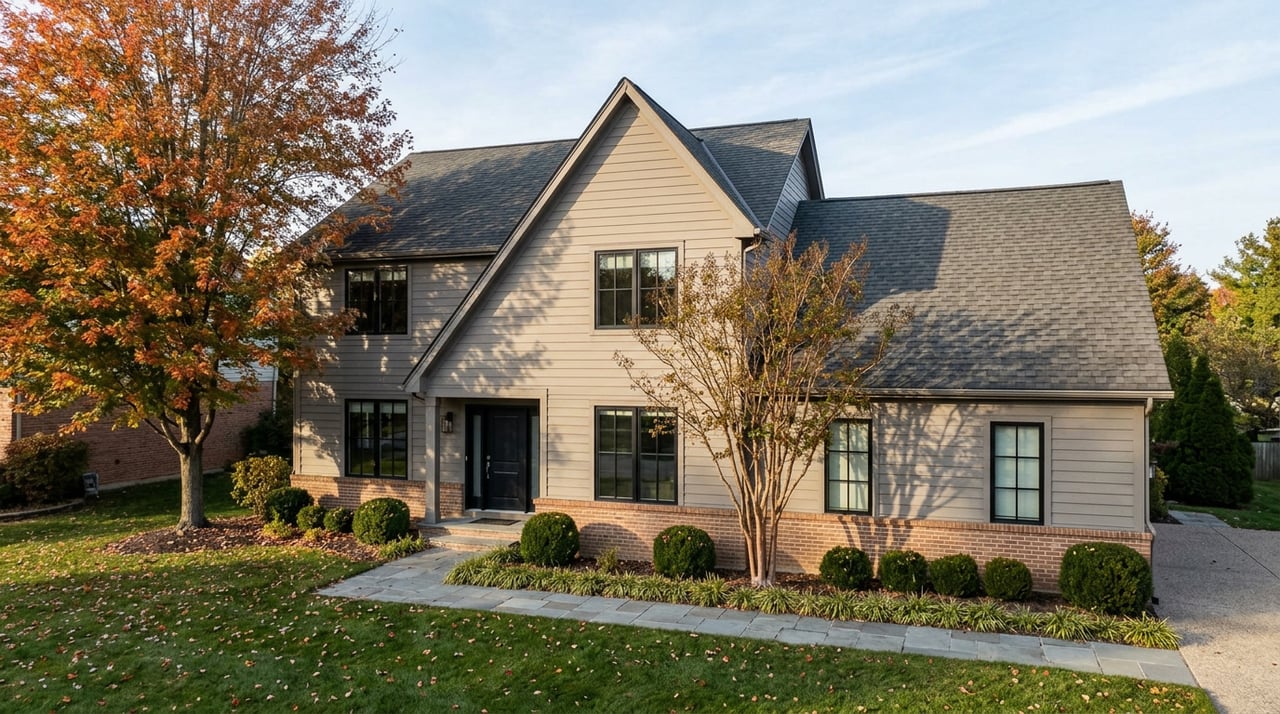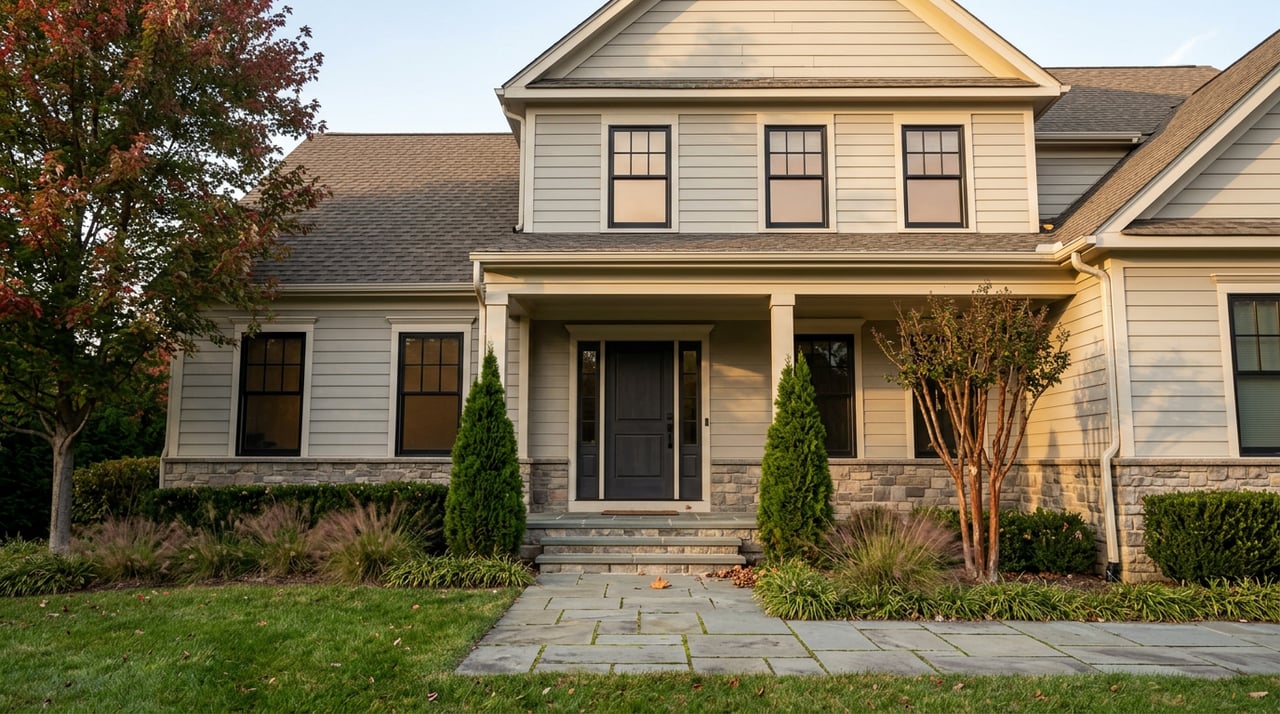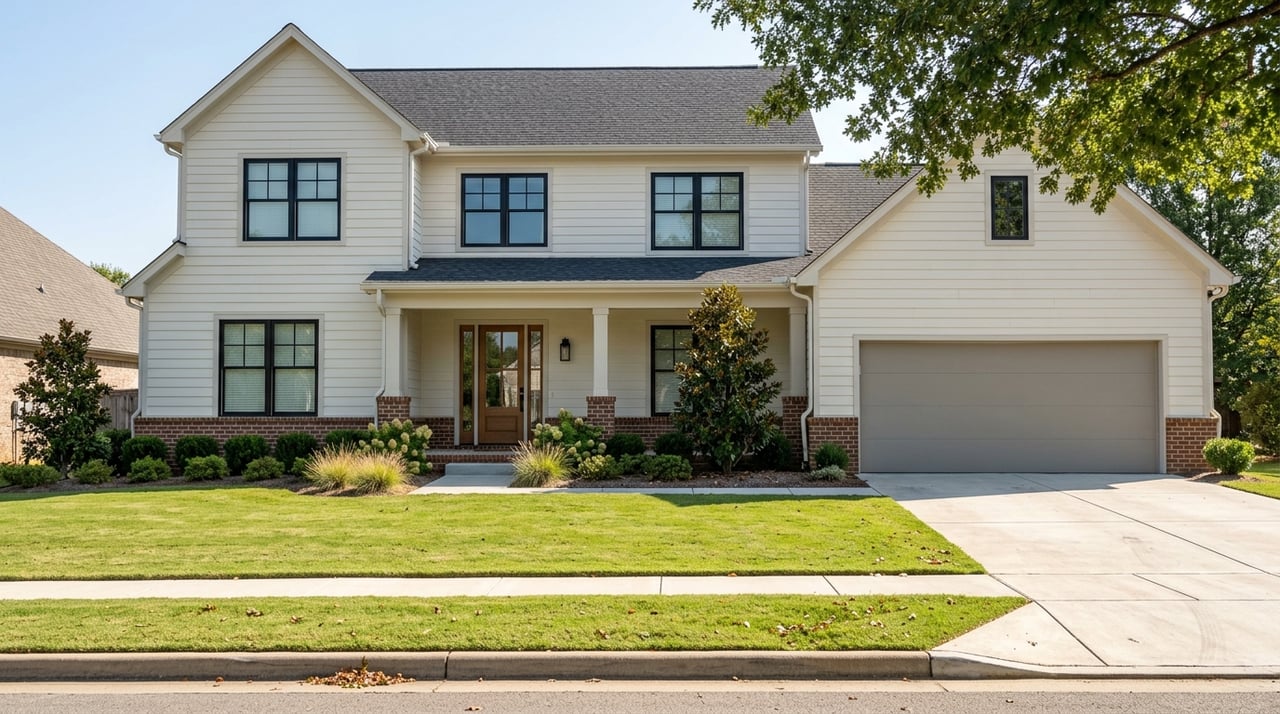
Thinking about buying a lot or building a small residential project in DeKalb County? The biggest mistake is assuming a parcel that looks buildable on paper will move smoothly from idea to finished home. If you want to avoid costly surprises, you need a clear local checklist before you spend money on land, design, or construction. Let’s walk through the smartest way to plan a small residential project in DeKalb County.
Start With the Parcel
Before you think about floor plans or pricing, make sure the property can actually support your project. In DeKalb County, that means checking more than just the address and lot size.
The county’s GIS tools can help you review parcel boundaries, ownership records, and map information. But GIS is not a substitute for recorded deeds, plats, or a current survey. For those documents, the county directs you to the Clerk of Superior Court, and for boundary or survey work, you will need a licensed surveyor or engineer.
This early step matters because small issues can become expensive delays later. A boundary question, easement conflict, or missing recorded detail can affect whether your plans move forward as expected.
Check Site Constraints Early
A lot may look simple until the technical review begins. DeKalb’s residential guidance says site plans should show setbacks, erosion controls, tree locations, floodplain and state waters, easements, and other site constraints.
That means you should evaluate feasibility early for:
- Floodplain conditions
- Stormwater requirements
- Stream buffers
- Tree protection issues
- Easements
- Utility access
- Erosion and sediment control needs
If the property is near a stream, stream buffer rules may reduce the area where you can build. That is one reason due diligence should happen before you commit serious design money.
Confirm Sewer and Utility Access
Utility feasibility is a major part of project planning. DeKalb says all new homes not served by septic must complete a sewer capacity evaluation, so wastewater planning should happen before design is finalized.
You should also look closely at access to water, sewer, and other utilities during the land review stage. If your project needs work in county right-of-way, such as driveway, roadway, or utility improvements, a separate encroachment permit may be required.
Review Zoning Before You Design
Once the parcel looks feasible, the next question is whether the zoning supports your plan. In unincorporated DeKalb, the zoning ordinance sets land-use standards, and overlay districts may add extra requirements.
The county’s zoning materials still reference residential districts such as R-75, R-85, and R-100 for single-family detached homes, with lot sizes generally in the 10,000 to 15,000 square foot range. But DeKalb is updating its zoning ordinance through 2027, so you should focus on the rules in effect when you file, not older assumptions.
Understand That Entitlements Are Real Milestones
If your project does not fit the current zoning, you may need a rezoning, land-use amendment, special land use permit, or another approval. In DeKalb, these are not box-checking exercises.
Current zoning procedures require a mandatory pre-application conference and a publicized pre-submittal community meeting before certain applications can even be filed. Public hearings may then follow before the Planning Commission, Community Council, or Zoning Board of Appeals, depending on the request.
For a small residential project, this means timeline planning is critical. You should treat entitlement review as a meaningful stage that can affect cost, schedule, and the overall viability of the project.
Know When Subdivision Rules Apply
If your project creates three or more individual residential lots, DeKalb requires sketch plat approval through the Planning Commission. Staff also reviews the project for compliance with zoning and subdivision rules.
After approval, plats must be recorded with the Clerk of Superior Court. This is an important finish-line step because a project is not truly ready for the market if required plat recording is still incomplete.
Watch for Historic District Review
Some properties need more than zoning approval. DeKalb’s new-home guide notes that if a property is in a historic district, a certificate of appropriateness may also be required.
That extra layer of review can affect design choices and timing. It is another reason to confirm the approval path before you close on land or submit plans.
Build the Right Project Team
A small project still needs the right professionals. The exact team depends on the site and scope, but DeKalb and Georgia requirements make a few roles especially important.
A strong planning team often includes:
- A licensed contractor
- A Georgia-registered surveyor or engineer
- A land-use or real estate attorney when title, easement, or boundary questions may exist
Georgia requires anyone performing residential or commercial general contractor services for compensation to be licensed. DeKalb also requires contractors to register with Development Services.
Bring in Technical Help Early
DeKalb’s single-family guide says the site plan should be prepared by a Georgia-registered engineer or surveyor and should be no more than one year old. That makes early technical review one of the smartest investments you can make.
If you wait too long to involve the right professionals, you may end up redesigning around avoidable problems. Early coordination can help you catch issues with layout, setbacks, grading, utilities, and access before they become permit comments.
Understand the Permit Path
After parcel review and zoning confirmation, the process moves into permitting. In DeKalb County, that usually means working through both land development review and building permit review.
Land Development handles land disturbance permits, subdivision and plat review, floodplain and stormwater compliance, and erosion and sediment control review. Permits, Plan Review & Inspections handles building permits, inspections, and the Certificate of Occupancy.
Expect a Digital Review Process
DeKalb uses ePlans and ProjectDox for electronic plan submission and review. In practical terms, the process often looks like this:
- Upload plans and required documents
- Receive review comments
- Revise and resubmit as needed
- Obtain approvals
- Complete inspections during construction
- Receive the Certificate of Occupancy after required inspections are done
This structure is useful because it reminds you that approval is not a single event. It is a sequence, and every stage needs to stay aligned.
Know What Counts as New Residential Construction
DeKalb says new residential construction for permit purposes includes single-family detached homes and duplexes only. If your project includes demolition of an existing structure, the county says that demolition requires a land disturbance permit plus three plan sets.
If you plan to self-build as the owner, the county requires a homeowner affidavit. Otherwise, your project should follow the contractor-led permit path.
Watch the 2026 Code Change
Timing matters. DeKalb’s building code notice says new permit submissions after March 1, 2026 must comply with the 2024 Georgia state minimum standard codes.
If your timeline is close to that date, confirm which code set applies before finalizing plans. A code transition can affect design details, review comments, and resubmission needs.
Don’t Treat Marketing as the First Step
It is tempting to think about finishes, list price, and launch strategy early. Those things matter, but in DeKalb, marketing comes after the local approval path is complete.
The clean finish line is recorded plats, when required, plus a Certificate of Occupancy issued after inspections are complete. Until then, the project should not be presented as fully market-ready.
What Comes After Compliance
Once the project reaches that point, your launch strategy can focus on the basics that help buyers engage with the property:
- Thoughtful pricing
- Professional staging
- Strong photography
- MLS exposure
- Clear positioning for the likely buyer
For small builders and property owners, this is where working with a brokerage that understands both compliance-minded project timing and polished market presentation can make a real difference. Good marketing does not replace planning, but it does help you capitalize on the work you have already done.
A Smart DeKalb Planning Sequence
If you want a simple way to think about a small residential project in DeKalb County, follow this order:
- Verify the parcel
- Study site constraints
- Confirm utilities and sewer path
- Review zoning and overlays
- Determine whether entitlements are needed
- Check subdivision or plat requirements
- Assemble your contractor and technical team
- Submit through the county review process
- Complete inspections and secure the Certificate of Occupancy
- Market the finished homes only after local requirements are complete
This approach can help you avoid one of the most common project mistakes: spending money in the wrong order.
Final Thoughts
A small residential project in DeKalb County can be manageable, but only if you respect the local process. Parcel research, zoning review, utility checks, entitlement planning, permitting, and inspections all matter before you ever think about a market launch.
Because DeKalb is updating its zoning ordinance through 2027 and permit rules can change over time, it is wise to confirm zoning, plats, floodplain conditions, water and sewer details, and permit requirements with county staff before buying land or filing plans. You should also consult your own surveyor, engineer, contractor, and attorney when needed.
If you are planning a small development, preparing to sell finished homes, or want guidance on positioning a new project for the market, Strong Tower Realty Inc can help you think through the next step with clear, local perspective.
FAQs
What should you check before buying land in DeKalb County for a small residential project?
- You should review parcel boundaries, ownership records, recorded documents, site constraints such as floodplain and easements, stream buffers, tree issues, and utility or sewer feasibility before buying land.
Does zoning in unincorporated DeKalb County allow every residential lot to be built on as planned?
- No. Zoning districts, overlay requirements, site conditions, and current filing-time rules all affect what can be built, and DeKalb is updating its zoning ordinance through 2027.
When does a DeKalb County residential project need subdivision approval?
- If the project creates three or more individual residential lots, sketch plat approval goes through the Planning Commission and approved plats must later be recorded with the Clerk of Superior Court.
What professionals should you hire for a small residential project in DeKalb County?
- Many projects benefit from a licensed contractor, a Georgia-registered surveyor or engineer, and an attorney when title, easement, or boundary questions may affect the project.
How does the DeKalb County permit process work for new residential construction?
- The county uses electronic plan review through ePlans and ProjectDox, with plan upload, review comments, revisions, approvals, inspections, and a Certificate of Occupancy issued after required inspections are complete.
When is a small residential project ready to market in DeKalb County?
- A project is best treated as market-ready only after required plats are recorded and the county has issued the Certificate of Occupancy following completed inspections.