Looking for a neighborhood where weekends can feel a little more connected and a little more active? In Johns Creek, swim and tennis communities are a major part of the local housing story, especially if you want established single-family neighborhoods with built-in amenities. If you are trying to decide whether this lifestyle fits your budget, routine, and long-term goals, this guide will help you understand what to expect and what to ask before you buy. Let’s dive in.
Why swim and tennis living stands out
Johns Creek has a strong suburban foundation. The city covers 31.3 square miles and had 83,352 residents in 28,177 households in 2022, with a housing market made up mostly of single-family detached homes. The city also reports that 77% of homes are owner-occupied, which helps explain why many buyers focus on established neighborhoods with long-term appeal.
A big part of that appeal is the mix of private neighborhood amenities and public recreation. Johns Creek maintains more than 400 acres of parkland and nature reserve, and the city offers youth swimming, diving, and tennis programming. That public recreation network complements private neighborhood pools, courts, trails, and club spaces rather than replacing them.
What Johns Creek communities usually include
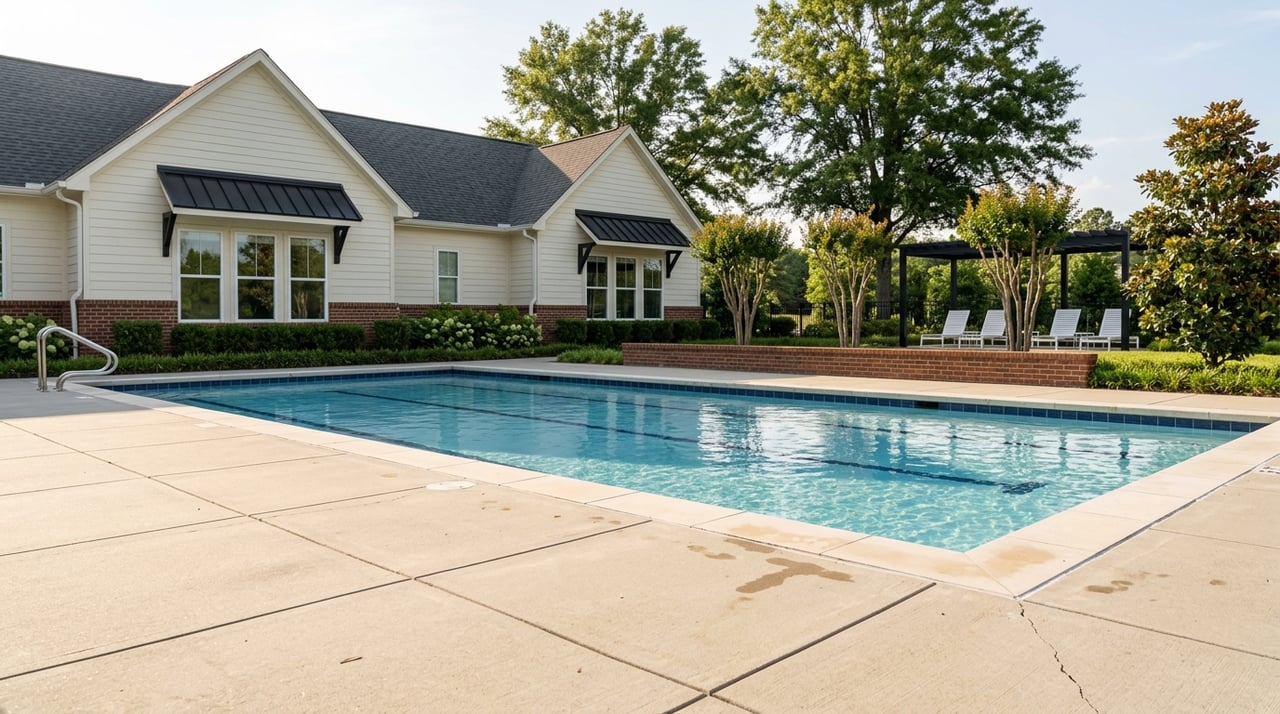
When people talk about swim and tennis communities in Johns Creek, they are not always talking about the exact same setup. Some neighborhoods have a traditional homeowners association that maintains shared spaces, pool areas, tennis courts, and entrances. Others have a separate swim and tennis club inside the subdivision, while some higher-amenity communities operate more like private club environments.
In practical terms, amenities can range from a simple pool and a few courts to a broader lifestyle package. Local examples show clubhouses, lakes, trails, playgrounds, pickleball, social calendars, and sport courts. That variety is one reason it helps to compare communities carefully rather than assuming every neighborhood works the same way.
Amenity packages can vary a lot
Medlock Bridge describes a large Johns Creek subdivision with more than 640 homes and amenities that include pools, tennis courts, clubhouses, lakes, trails, and playgrounds, along with year-round social and sporting events. Sugar Mill highlights 8 lighted tennis courts, 6 lighted pickleball courts, a junior Olympic pool, wading pool, water slide, splash pad, playfield, nature trails, and fishing area. At the club-oriented end, communities like St Ives and Country Club of the South emphasize broader swim, tennis, pickleball, golf, dining, fitness, and social programming.
That means your definition of amenity-rich matters. You may want a neighborhood where the pool is enough, or you may want a more extensive club lifestyle with multiple courts and year-round programming. The right fit depends on how often you expect to use the amenities and how much you want them to shape your daily life.
What the homes are like
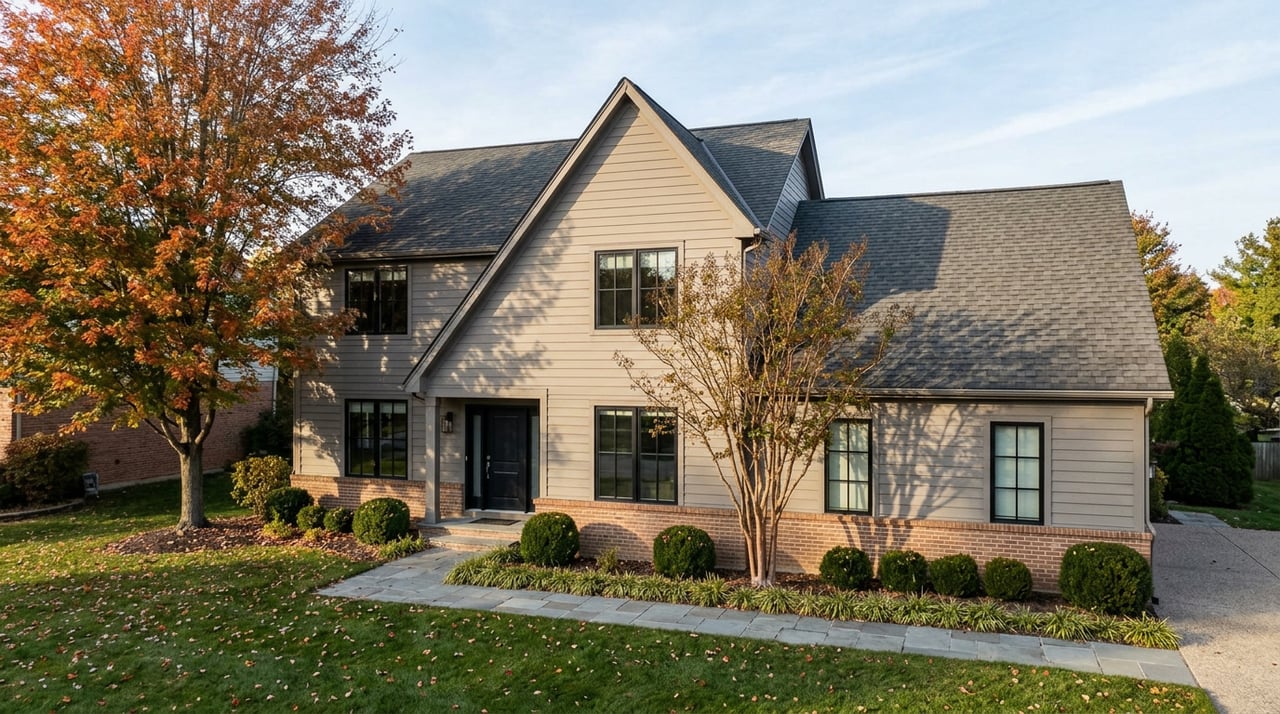
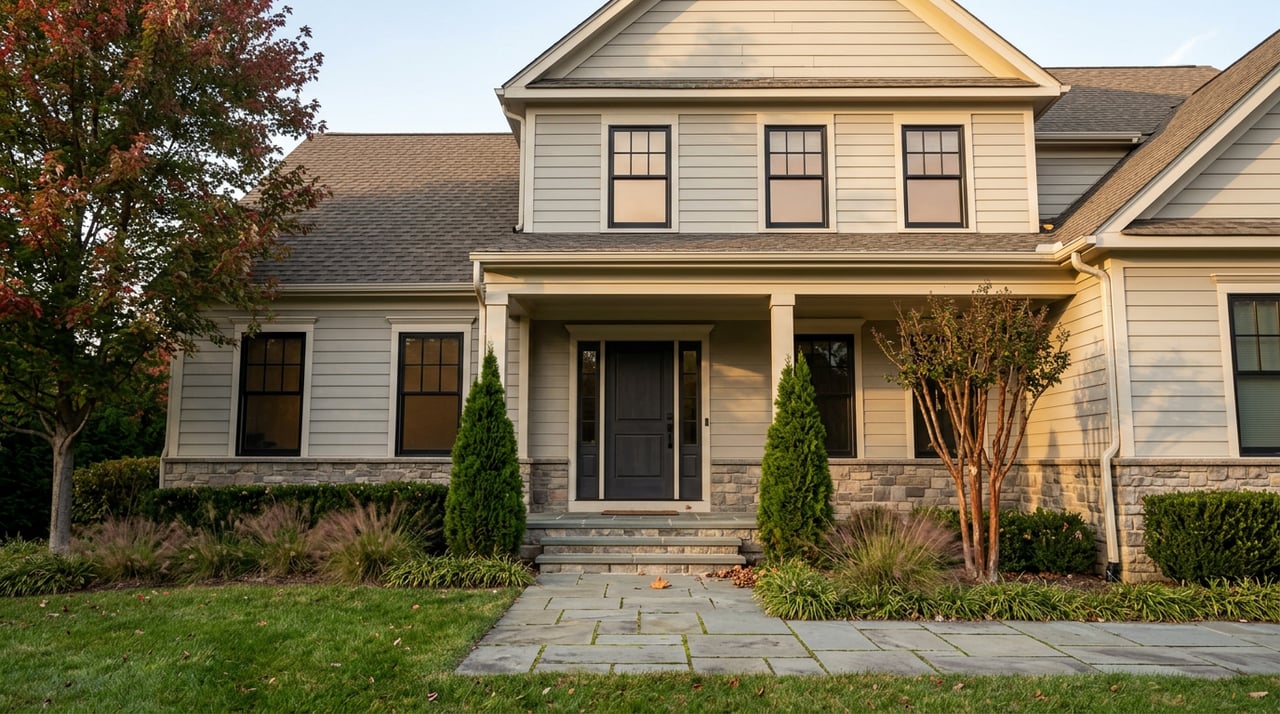
Most Johns Creek swim and tennis neighborhoods are part of the city’s established housing base. According to the city profile, about 75% of homes were built between 1980 and 2000, and few vacant parcels remain for new development. For many buyers, that means the search is less about brand-new construction and more about finding the right resale home in the right community.
You will usually find single-family detached homes as the main option. The city notes that its housing stock is predominantly single-family detached, although townhome subdivisions in western and central Johns Creek have the highest renter-occupied share. So while townhome options do exist in parts of the city, many of the classic swim and tennis neighborhoods are known for detached homes on established suburban streets.
Expect a mix of updates
Because many homes were built from the 1980s through the 2000s, renovation levels can differ widely from one listing to another. Some homes have already been updated with newer kitchens, baths, flooring, and systems. Others may offer more original finishes, which can be attractive if you want to personalize the home over time.
This is where neighborhood context matters. In established communities, you are often comparing location, lot, layout, and amenity access just as much as finishes. A well-located home with older interiors may still compete strongly if the community amenities and overall setting line up with your goals.
What buyers should know about pricing
Current 2026 market snapshots place Johns Creek in the low-to-mid $700,000 range, depending on the source and the metric being used. Zillow reported an average home value of $706,441 as of April 30, 2026, while Redfin reported a median sale price of $717,000 over the prior three months. Realtor.com showed a median listing price of $722,000.
Those numbers are useful for setting expectations, but they do not tell the whole story for swim and tennis communities. A home’s price can shift based on lot size, updates, community reputation, and the scope of amenities. A neighborhood with extensive club features or larger homes may sit at a different price point than a more modest amenity community.
Market speed still matters
The same market snapshots suggest that homes are moving at a steady pace. Zillow reported homes pending in about 23 days, Redfin showed about 31 days on market, and Realtor.com showed a median 34 days on market. If you are shopping in a popular Johns Creek neighborhood, that timing is a reminder to be prepared before the right home hits the market.
What HOA dues may cover
One of the biggest buyer questions is simple: what are you actually paying for? Georgia consumer guidance says HOA dues commonly pay for common-area upkeep such as swimming pools, tennis courts, and entrances. In a Johns Creek swim and tennis neighborhood, that can also include landscaping of shared areas, clubhouse maintenance, and other community operating costs depending on the association structure.
Still, the exact answer depends on the neighborhood. Some communities bundle swim and tennis access into the HOA, while others split the cost between the HOA and a separate club membership. That difference can have a real impact on your monthly carrying costs.
Separate club vs HOA
Johns Creek examples show both models. DoubleGate says the neighborhood has both a Swim and Tennis Club and a separate HOA board, which is a good example of why buyers should not assume everything is included in one payment. In contrast, club-oriented communities such as St Ives and Country Club of the South may function more like private club communities with broader programming and a different cost structure.
Before you compare one neighborhood to another, ask for a clear breakdown of all required and optional fees. A lower HOA number does not always mean a lower overall cost if club access sits outside the base dues.
Due diligence before you buy
Amenity-rich living can be a great fit, but only if you understand the rules and finances behind it. Georgia consumer guidance says HOA dues and bylaws govern how common-area costs are funded and when dues can rise, including board-approved increases or automatic triggers tied to reserves. The same guidance says homeowners in certain associations may obtain comprehensive reports on finances and budget projects at annual board meetings, and governing documents may also provide access to financial records.
That is why document review matters so much in these communities. If you are serious about a home, request the CC&Rs, bylaws, current budget, reserve information, and amenity rules early in the process. You want to understand not just today’s dues, but how the community plans for maintenance and future expenses.
Questions worth asking
Use this checklist when comparing Johns Creek swim and tennis communities:
- Are pool and tennis access fully included in the HOA?
- Is there a separate swim and tennis club or membership fee?
- How often have dues increased in recent years?
- Are special assessments possible or currently being discussed?
- What do the budget and reserve funds look like?
- What rules apply to amenity use, guests, and scheduling?
- Are you looking mostly at single-family homes, or are there townhome sections too?
- How updated are the homes that come on market in this neighborhood?
Georgia law also provides that unpaid assessments can become a lien on the lot, and a statement of amounts due can be requested. That makes it especially important to confirm the financial status of the property and the association before closing.
How to decide if this lifestyle fits you
A swim and tennis community can offer convenience, recreation, and a built-in neighborhood rhythm. If you like the idea of having amenities close to home, established streetscapes, and neighborhoods that often center around shared spaces, Johns Creek gives you plenty of options to explore. It can be especially appealing if you want a suburban single-family setting where amenities are part of the everyday environment.
At the same time, the best choice is not just about the pool or the courts. It is about how the total package fits your budget, how the dues are structured, how updated the homes tend to be, and how the community operates over time. When you compare those details carefully, you can make a much more confident decision.
If you are exploring swim and tennis homes in Johns Creek and want clear, local guidance on neighborhoods, pricing, and what to watch for in HOA documents, Strong Tower Realty Inc is here to help you take the next step.
FAQs
What do HOA dues usually cover in Johns Creek swim and tennis communities?
- HOA dues commonly pay for common-area upkeep such as pools, tennis courts, and entrances, but the exact coverage depends on the specific neighborhood and association structure.
Are Johns Creek swim and tennis amenities always included with the HOA?
- No. Some Johns Creek neighborhoods include amenity access in the HOA, while others have a separate swim and tennis club or membership structure.
What kinds of homes are most common in Johns Creek swim and tennis neighborhoods?
- Johns Creek housing is predominantly single-family detached, so many swim and tennis communities center on established detached homes, though some areas of the city also include townhome subdivisions.
How old are homes in Johns Creek swim and tennis communities?
- Many homes are in established neighborhoods, with the city reporting that about 75% of homes were built between 1980 and 2000.
What is the typical price range for homes in Johns Creek?
- Current 2026 market snapshots place Johns Creek roughly in the low-to-mid $700,000 range, depending on whether you are looking at average value, median sale price, or median listing price.
What documents should buyers review in a Johns Creek HOA community?
- Buyers should ask for the CC&Rs, bylaws, current budget, reserve information, amenity rules, and a clear breakdown of any HOA dues or separate club fees.