Thinking about selling your Johns Creek home but not sure when to list? Timing can shape how many buyers see your home, how quickly you go under contract, and the price you achieve. In a community where many buyers plan around the school year, a well-timed launch can give you a real edge.
In this guide, you’ll learn the best listing windows for Johns Creek, how to plan backward from your ideal closing date, and the steps to prepare your home for a strong debut. You’ll also get pricing and marketing tips that match local buyer behavior. Let’s dive in.
Why timing matters in Johns Creek
Family-driven demand
Johns Creek attracts many buyers who value schools, neighborhood amenities, and easy access to Alpharetta and Atlanta employment centers. That buyer profile creates a predictable rhythm. Families often aim to move during summer, so they shop in spring and want to close in June or July. You can use this pattern to meet the largest pool of active buyers.
Mild climate, year-round closings
Metro Atlanta weather is generally mild, so showings and closings happen all year. That said, buyer traffic still rises in spring and early summer. Late fall and winter usually see fewer showings and longer days on market. If you can choose your timing, align with the months when more buyers are out.
Inventory shifts shape strategy
The number of active listings affects how much seasonal timing helps. When inventory is low, spring’s demand can lead to multiple offers if you price and present well. When inventory is higher, you may face more competition. Check local MLS data a few weeks before you go live to confirm the current trend for your neighborhood and price range.
Best months to list
Primary window: March to mid-June
Spring is the strongest season for buyer traffic in Johns Creek. Listing from March through mid-June positions you to capture families planning a summer move, plus professionals targeting a mid-year transition. In many years, this window brings faster activity and stronger pricing when homes are market-ready.
Secondary window: mid-July to early September
If you miss spring, aim for mid-July through early September. Some buyers want to close before the school year starts, and others are relocating later in summer. Inventory can be lighter than spring in certain years, so a well-presented home can still stand out.
When to think twice: late Nov to Feb
Late November through February usually brings slower traffic, with holidays and fewer weekend tours. You can still sell during these months, especially if your home is well priced or truly move-in ready. If you want maximum exposure, plan for spring or early summer unless your personal timeline requires otherwise.
Plan backward from your target close
Start with your ideal move date and work backward. If you want to close in June or July, list in spring. Build in time for marketing, showings, negotiations, inspection, appraisal, and financing. A typical mortgage escrow is about 30 to 45 days after going under contract. Leave buffer time for repair negotiations or schedule conflicts.
If school timing matters to you, coordinate with the Fulton County Schools calendar so you can avoid a mid-year move. Your agent can help map a clean path from launch to closing that fits your family’s needs.
A 6–12 week prep timeline
Strong results start with preparation. Use this sample plan and adjust based on your home’s condition and your schedule.
Weeks 10–12: Plan and price
- Interview agents and request a comparative market analysis.
- Decide your target timing and discuss pricing ranges by neighborhood and price band.
- Consider a pre-listing inspection for clarity on repairs and to avoid surprises later.
Weeks 8–10: Complete key repairs
- Address major repairs or system issues like roof or HVAC if needed.
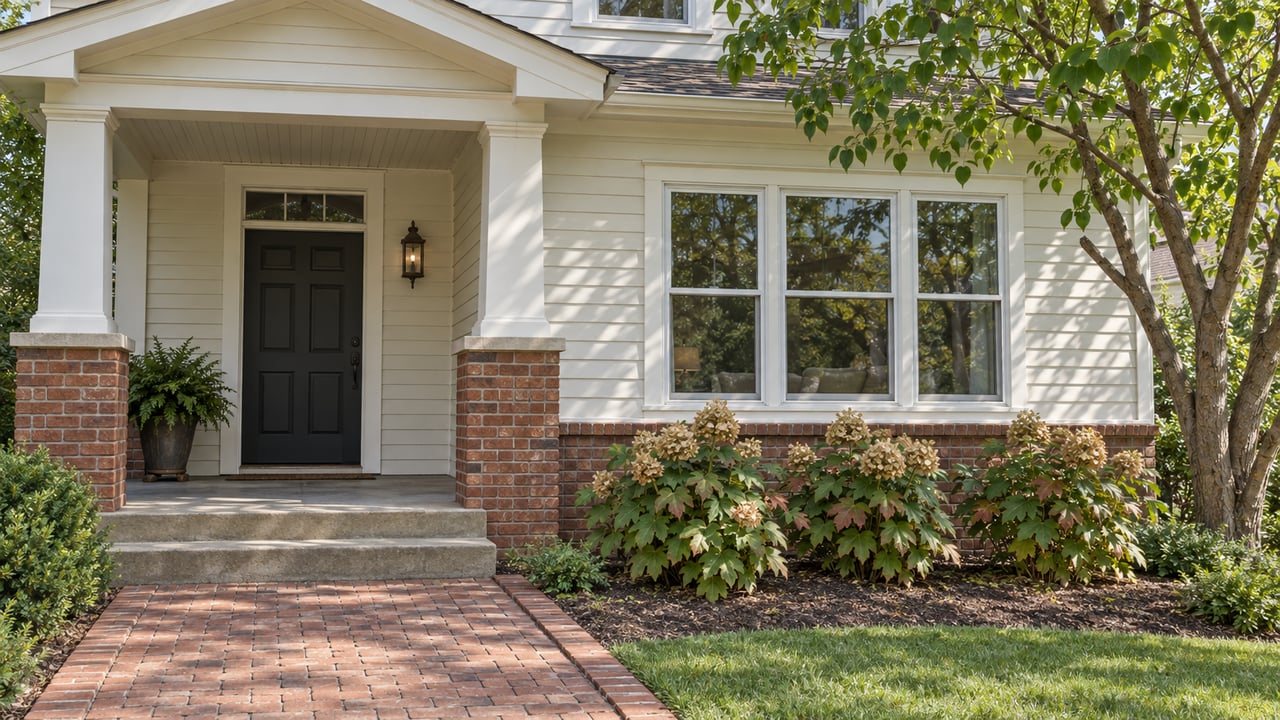
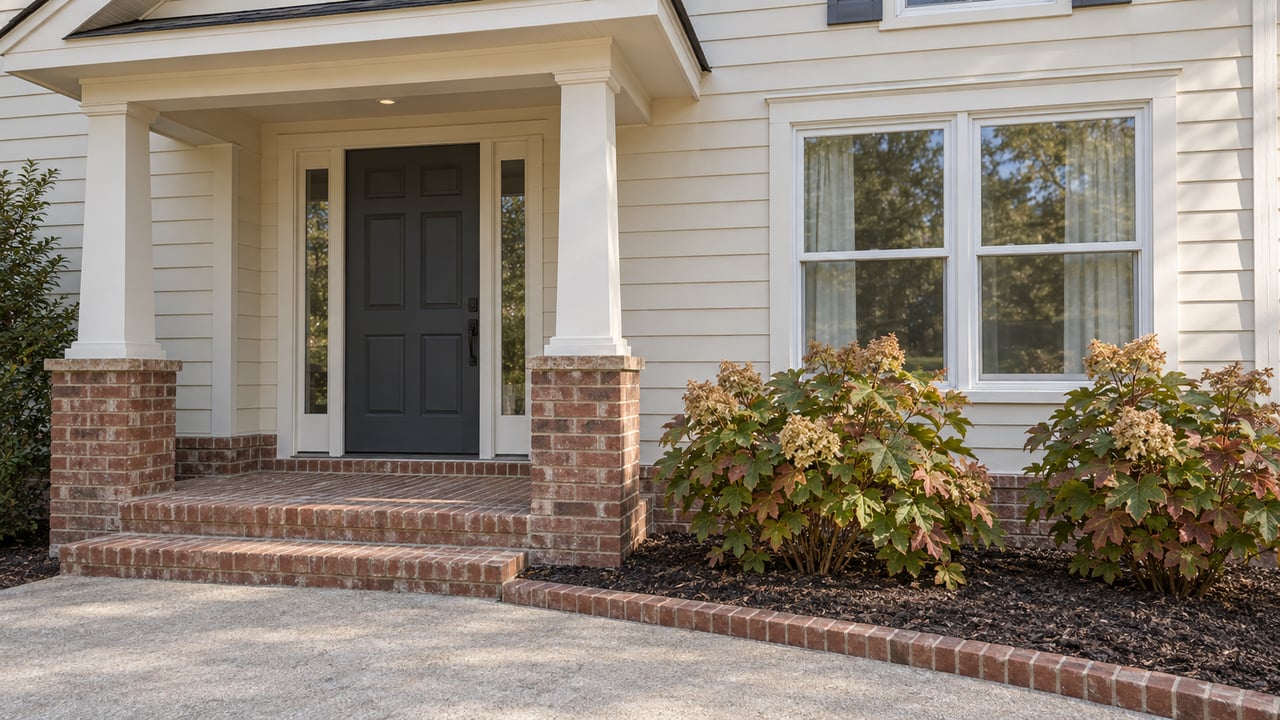
- Deep clean, paint in neutral tones, and refresh landscaping for curb appeal.
- Handle exterior maintenance so the first impression is strong.
Weeks 4–8: Declutter and stage
- Declutter and depersonalize to make rooms feel open and welcoming.
- Complete simple cosmetic upgrades like updated fixtures or hardware.
- Consult a stager to create a layout that highlights space and flow.
Weeks 2–4: Create premium marketing
- Schedule professional photography, including twilight images if appropriate.
- Add a floor plan and a virtual tour so buyers can understand the layout.
- Finalize your MLS details and property description to spotlight key features.
Launch week: Go live mid-week
- List early to mid-week to build momentum into the weekend.
- Consider a broker preview or open house the first weekend.
- Be ready to review offers within the first 1 to 2 weeks when interest is highest.
Pricing and competition strategies
Read the market before you list
Track local numbers to set expectations and fine-tune your plan:
- Months of inventory. Lower supply often favors sellers.
- Median days on market. Helps you predict your timeline.
- New listings vs pending sales. Shows real-time demand.
- List-to-sale price ratios. Indicates how close sellers are getting to list prices.
- Neighborhood and price-band comps. Compare within similar home size, age, and school zone.
Use Atlanta REALTORS Association reports and MLS data for the most current picture in Johns Creek.
Adjust pricing to market conditions
- Seller’s market. If inventory is low and demand is high, price assertively within the range supported by comps. Well-presented homes in Johns Creek often compete best when they look turnkey.
- Balanced market. Price at current market value and monitor showing feedback closely. Small adjustments early can preserve momentum.
- Buyer’s market. Expect longer days on market. Plan for strategic reductions and enhanced marketing to reach the widest audience.
Marketing that works in Johns Creek
Spotlight what local buyers value
Highlight facts buyers ask about most:
- School zones and calendars for planning. Use neutral language and provide accurate boundaries in your listing materials.
- Parks, golf, and shopping. Proximity to community amenities and local retail hubs appeals to lifestyle-focused buyers.
- Commute routes. Access to GA-400 and major corridors matters for professionals.
Invest in top-tier visuals
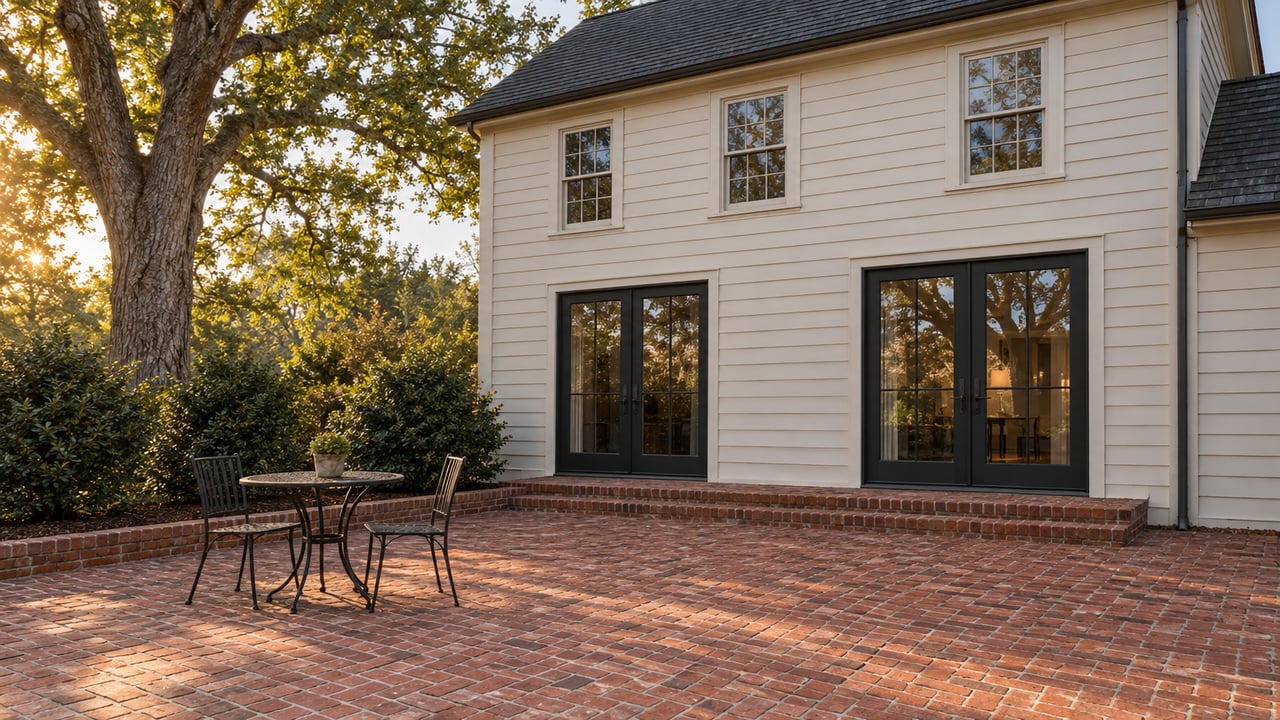
High-quality photography helps your home shine online where most buyers start. Include daylight and twilight shots where lighting can elevate curb appeal. Offer floor plans and virtual tours so families can understand bedroom placement, storage, and overall flow before touring in person.
Stage for family-friendly flow
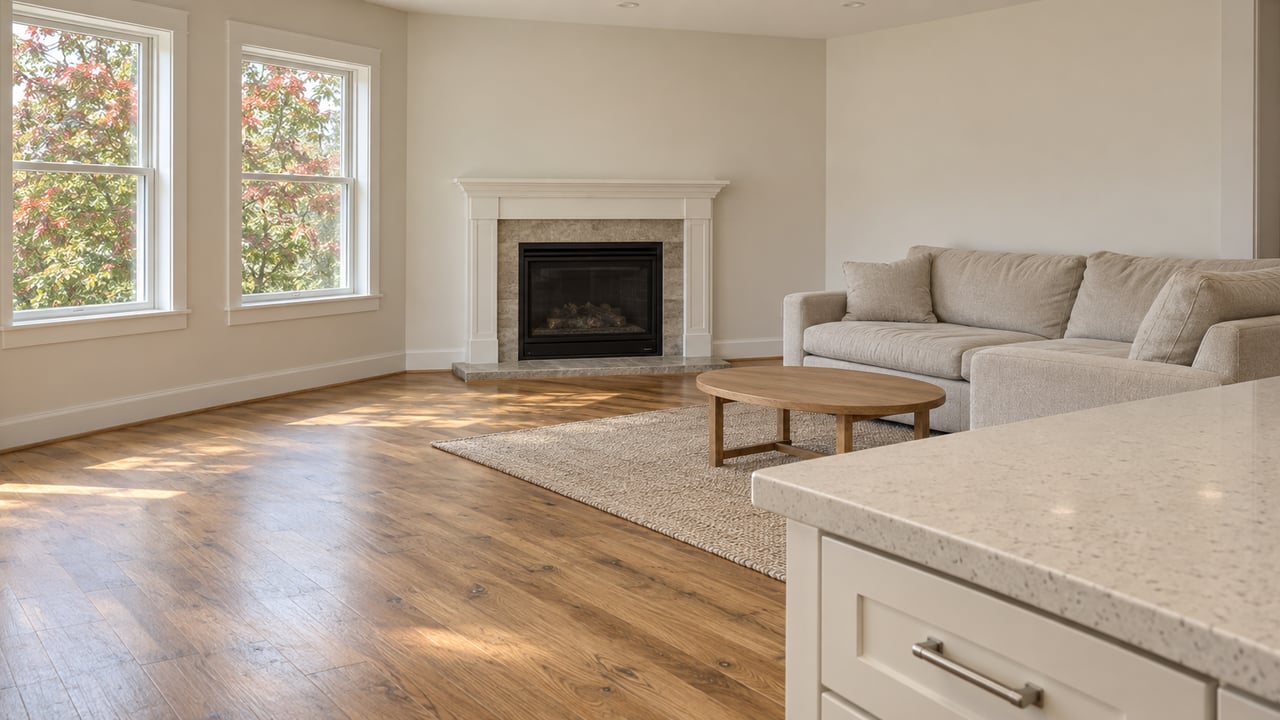
Staging can clarify spaces and improve perceived value. Declutter children’s items without removing the sense of a welcoming home. Use neutral decor to let buyers imagine their own routines in the space. Keep entryways open, surfaces clear, and lighting bright.
Consider a pre-listing inspection
A pre-listing inspection can surface issues early, support pricing confidence, and reduce renegotiation risk. In higher-value sales, transparency can make buyers more comfortable moving quickly.
Pick the right launch week
Your first two weeks on market are critical. Aim to go live mid-week to catch online alerts, then carry momentum into weekend showings. If offers come in quickly, weigh your options with your agent. Terms like closing timeline, contingencies, and repair limits often matter as much as price.
Fine-tune with local data
Market timing shifts slightly each year. Before you commit to a date, check:
- Months of inventory and median days on market.
- New listings compared to pending sales for the past 30 to 60 days.
- Price trends in your neighborhood and school zone.
Confirming these metrics helps you decide whether to lean into a spring launch or adjust strategy for late summer. If inventory spikes, consider stronger staging, sharper pricing, or a more robust pre-market plan.
Common pitfalls to avoid
- Listing before the home is ready. Rushed photos or unfinished repairs can cost you attention and price.
- Overpricing in a balanced or slower market. You can lose your best early momentum.
- Ignoring feedback in the first week. Quick adjustments can save time and protect value.
- Skipping professional visuals. In Johns Creek’s competitive tiers, buyers expect polished presentation.
Your next steps
If you want to close in June or July, start planning now. Build a 6 to 12 week prep schedule, confirm current market stats, and choose a launch window that aligns with buyer demand and your family calendar. With a clear plan, you can move confidently and protect your equity.
Curious what your home could sell for this season? Connect with the local team that blends warm service with professional, MLS-backed marketing. Reach out to Strong Tower Realty Inc to request a free home valuation or speak with a local agent today.
FAQs
What is the best month to sell in Johns Creek?
- Spring is typically strongest, with March through mid-June offering the most buyer traffic and alignment with summer move-ins. Confirm current MLS data before finalizing timing.
How do I align my sale with the school year?
- If you want a June or July closing, list in spring and allow at least 30 to 45 days for escrow plus time for inspection and appraisal. Plan backward from your ideal close date.
Is summer still good if I miss spring?
- Yes. Mid-July to early September can be active, especially for buyers aiming to settle before school starts. A well-presented home can stand out if inventory is lighter.
Should I avoid listing in winter in Johns Creek?
- Late fall and winter usually bring lower traffic and longer days on market, though motivated buyers still shop. List then if your timeline requires it or if local inventory is unusually tight.
What prep delivers the best return before listing?
- Focus on curb appeal, neutral paint, cosmetic updates in kitchens and baths, clean flooring, and bright lighting. Add professional photography, floor plans, and staging for a polished launch.