Looking at homes in Marietta and wondering how a charming bungalow compares with a newer build? You are not alone. In a city where historic districts, mid-century homes, and newer townhome communities all exist side by side, understanding home styles can help you shop smarter and set better expectations. This guide breaks down the main home types you are likely to see in Marietta, what makes each one distinct, and what to keep in mind as you buy or sell. Let’s dive in.
Why Marietta Has So Many Home Styles
Marietta offers a blend of historic and newer housing that is unusual in a suburban market. According to the city, Marietta includes five National Register historic districts plus the locally designated Kennesaw Avenue district. The city’s historic materials describe in-town homes dating from the mid-1800s through the mid-1900s, with surrounding areas blending into bungalow and ranch communities.
That variety helps explain why your search may include everything from a one-story cottage to a recently built townhome. Current Census QuickFacts also show a 47.2% owner-occupied rate, a median owner value of $448,500, and median gross rent of $1,586. In practical terms, that creates a market where older single-family homes and newer attached housing can both play an important role.
Classic Cottages and Bungalows
If you love character, front porches, and older streetscapes, this is often the style category that gets your attention first. Marietta’s historic guidelines identify several common forms, including the one-story bungalow, gabled ell cottage, Georgian cottage, and pyramid cottage. These homes are part of what gives many older parts of Marietta their visual identity.
What a Marietta bungalow looks like
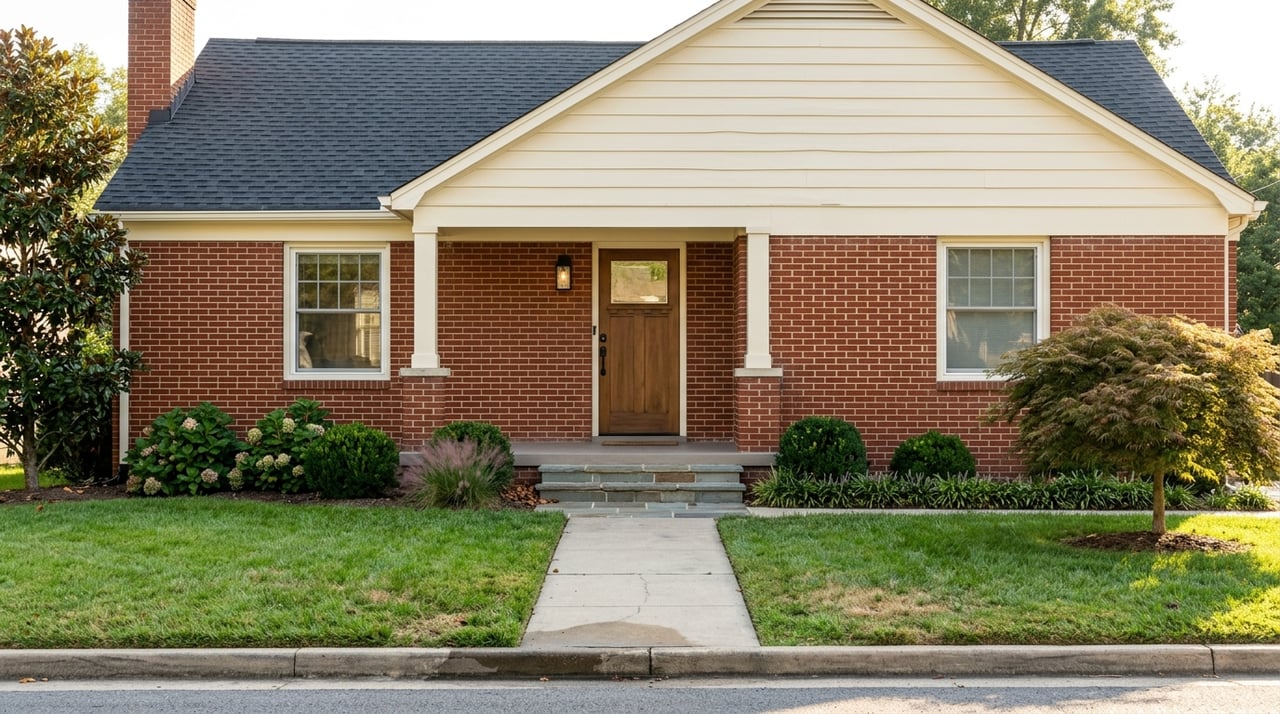
Bungalows in Marietta are generally long and low, often with irregular floor plans, front porches, and low-pitched roofs. Some Craftsman-era versions include wide eaves, exposed rafter tails, and heavier porch details. Those details can create a warm, welcoming look that many buyers still seek today.
Other cottage styles you may see
A gabled ell cottage is usually L-shaped or T-shaped. A Georgian cottage is typically a symmetrical four-room home with a central hall. These homes may look simpler from the outside than larger historic properties, but they often offer distinctive layouts and period details that stand out from more recent construction.
Where these homes fit in Marietta
The Washington Avenue district includes both grand Victorian homes and more modest Folk-Victorian cottages on small lots. The Church-Cherokee area blends older estates, later subdivisions, and edges of bungalow and ranch communities. For buyers, that means the surrounding streetscape can vary a lot even within the same general area.
What to know before you buy
Older cottages and bungalows often reward owners with charm, but they also require thoughtful upkeep. Marietta’s historic handbook emphasizes gentle care, regular maintenance, and repair of original materials instead of routine replacement. If you are drawn to these homes, it helps to budget not only for purchase price but also for ongoing preservation-minded maintenance.
Brick Traditionals and Mid-Century Homes
Another common category in Marietta includes what many buyers casually call brick traditionals. In practice, this can overlap with Georgian homes, Queen Anne influences, and later small-house forms from the 1930s through the 1950s. These homes often appeal to buyers who want a more conventional layout and durable exterior materials.
Common features of traditional homes
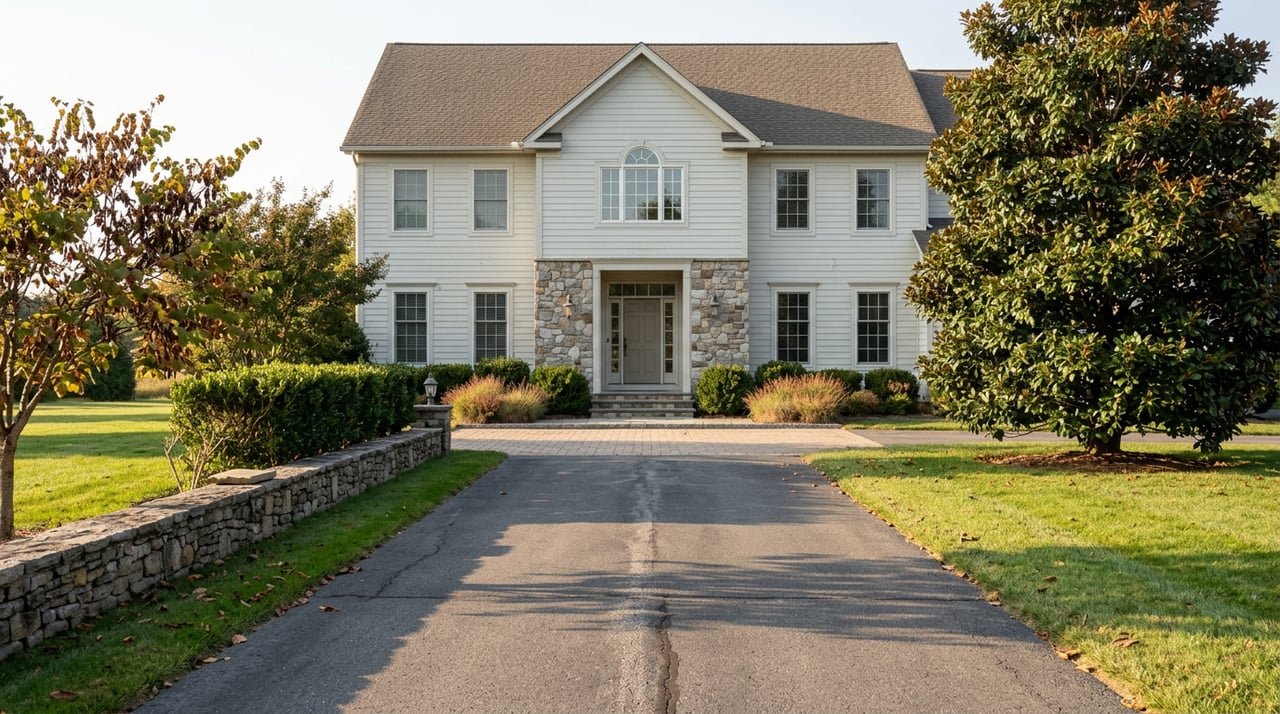
Georgian houses are typically two stories with a central hallway and two rooms on each side. That balanced, symmetrical layout is one reason these homes often feel formal and familiar. In some parts of Marietta, this style contributes to the classic look buyers associate with established neighborhoods.
Mid-century small houses in Marietta
The American Small House, common from the 1930s to the 1950s, is generally a compact three-, four-, or five-room home with an irregular plan and a moderately pitched end-gable roof. These homes can be a practical option if you want an older property with simpler scale and potentially more manageable upkeep than a large historic house.
Exterior materials matter here
The Church-Cherokee historic handbook notes that residences there are predominantly clapboard siding or exposed brick, often with brick chimneys and brick or stone foundations. For buyers, this means many resale homes may offer durable masonry elements along with central-hall layouts or symmetrical facades.
Why preservation details matter
If a home includes historic brickwork, details matter. City guidelines emphasize preserving brick detail, carefully matching replacement materials, and avoiding hard coverings on historic brick chimneys because brick and mortar move differently with heat and humidity. In short, not all cosmetic updates are equal when you own an older brick home.
Townhomes and Newer Builds
If you want lower-maintenance living, modern layouts, or newer systems, Marietta’s newer housing options may be the better fit. The city continues to add mixed housing types, including both townhomes and detached homes in planned communities.
What newer townhomes may offer
A current city-approved plan for Marietta Reserve includes 22 townhomes and 29 detached homes. The townhome side of newer inventory may include features many buyers want today, such as open-concept living and more efficient use of square footage. One current Marietta townhome listing shows a layout with 3 bedrooms, 2.5 baths, and about 2,026 square feet.
What newer detached homes may offer
In the same Marietta Reserve plan, revised single-family options include an approximately 1,850-square-foot plan with 3- to 4-bedroom options, plus two larger plans from 2,100 to 2,300 square feet with 4- to 5-bedroom options. That gives buyers a sense of the size range they may find in newer detached construction.
Design trends in newer communities
Marietta’s residential design guidelines favor durable materials such as brick, stucco, stone, or fiber-cement siding. The city also emphasizes front-facade articulation, compatible roof forms, and neighborhood context. Even in newer construction, appearance and material choices are shaped by local design expectations.
Building codes and newer construction
Marietta states that projects permitted after January 1, 2026 are subject to the city’s current building codes, including the 2024 International Residential Code and 2024 International Building Code with 2026 Georgia amendments. For buyers, that means newer homes may reflect different code standards than older resale properties.
How to Choose the Right Style for You
The best home style is not just about appearance. It is about how you want to live, how much maintenance you can take on, and what kind of layout works best for your daily routine.
Choose an older home if you value character
You may lean toward a bungalow, cottage, or older traditional if you love:
- Front porches and mature streetscapes
- Distinctive architectural details
- Historic materials and craftsmanship
- Established in-town settings
These homes can offer personality that is hard to replicate. The tradeoff is that they often need more careful, ongoing maintenance.
Choose a newer home if you want convenience
You may prefer a townhome or newer detached home if you prioritize:
- Open-concept floor plans
- Newer systems and materials
- Potentially lower restoration needs
- Shared upkeep in some planned communities
Newer homes can simplify ownership, but it is still important to understand what maintenance remains your responsibility and what may be handled through an HOA.
Maintenance Differences to Expect
One of the biggest differences between Marietta home styles is how they age and what they need from you over time. A home’s style is not just a design choice. It also shapes your maintenance checklist.
Older homes need preservation-minded care
Marietta’s handbook and historic guidelines stress repairing rather than replacing original materials whenever possible. They also highlight the importance of keeping drainage and paint in good condition and using in-kind materials when replacement cannot be avoided. That approach helps protect the home’s character and can also help you avoid repairs that create bigger issues later.
Historic district rules can affect exterior changes
If a home is in one of Marietta’s historic districts, exterior changes visible from a public street may require a Certificate of Appropriateness review. Interior alterations generally do not. This does not mean buying in a historic area is difficult, but it does mean you should understand the review process before planning visible exterior updates.
Newer homes still need regular attention
Newer construction changes the maintenance focus, but it does not remove it. Instead of restoration work, owners are more likely to focus on systems care, moisture control, air leakage, and HVAC performance. In some newer communities, certain shared elements may also be maintained by an HOA rather than by each owner individually.
What Buyers and Sellers Should Watch in Marietta
Whether you are buying or selling, understanding style helps you frame value more clearly. Not every buyer is looking for the same thing, and not every home should be marketed the same way.
Buyers should match style with lifestyle
Before you fall in love with curb appeal, think through the full ownership experience. Ask how much upkeep you want, whether you prefer formal or open layouts, and whether a historic setting or newer community better fits your goals. In Marietta, those choices can look very different from one block to the next.
Sellers should highlight the right strengths
If you own an older home, buyers may respond to original details, porch space, masonry features, and location within an established streetscape. If you own a newer home, buyers may focus more on layout, square footage, material durability, and lower immediate maintenance needs. The key is presenting the property in a way that fits what that style naturally offers.
Marietta’s housing mix is one of its biggest advantages. You can find historic cottages with deep character, classic brick homes with familiar layouts, and newer townhomes or detached builds designed around modern living. When you understand the differences, you can make a more confident move and choose a home that truly fits your needs.
If you want help comparing Marietta home styles, narrowing your search, or positioning your current property for the market, Strong Tower Realty Inc is here to help with responsive, local guidance.
FAQs
What home styles are common in Marietta, GA?
- Marietta includes a mix of historic cottages, bungalows, Georgian and other traditional homes, mid-century small houses, townhomes, and newer detached construction.
What makes a bungalow different from other Marietta homes?
- In Marietta, bungalows are typically one story with low-pitched roofs, porches, irregular floor plans, and in some cases Craftsman details like wide eaves and exposed rafter tails.
What should buyers know about historic homes in Marietta?
- Buyers should expect more maintenance, a focus on repairing original materials, and possible review requirements for exterior changes visible from a public street in historic districts.
What features do newer Marietta townhomes usually have?
- Newer townhomes may offer open-concept layouts, modern floor plans, and efficient use of space, with current examples around 3 bedrooms, 2.5 baths, and about 2,026 square feet.
How do newer detached homes in Marietta compare with older resale homes?
- Newer detached homes may offer more modern layouts, updated materials, and different code standards, while older resale homes often offer more architectural character and established streetscapes.
Why is maintenance different between older and newer Marietta homes?
- Older homes often need preservation-focused care for original materials, while newer homes usually shift attention to HVAC, moisture control, air sealing, and shared community upkeep in some developments.